What is a Dental Implant?
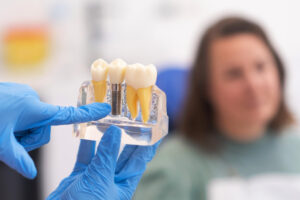
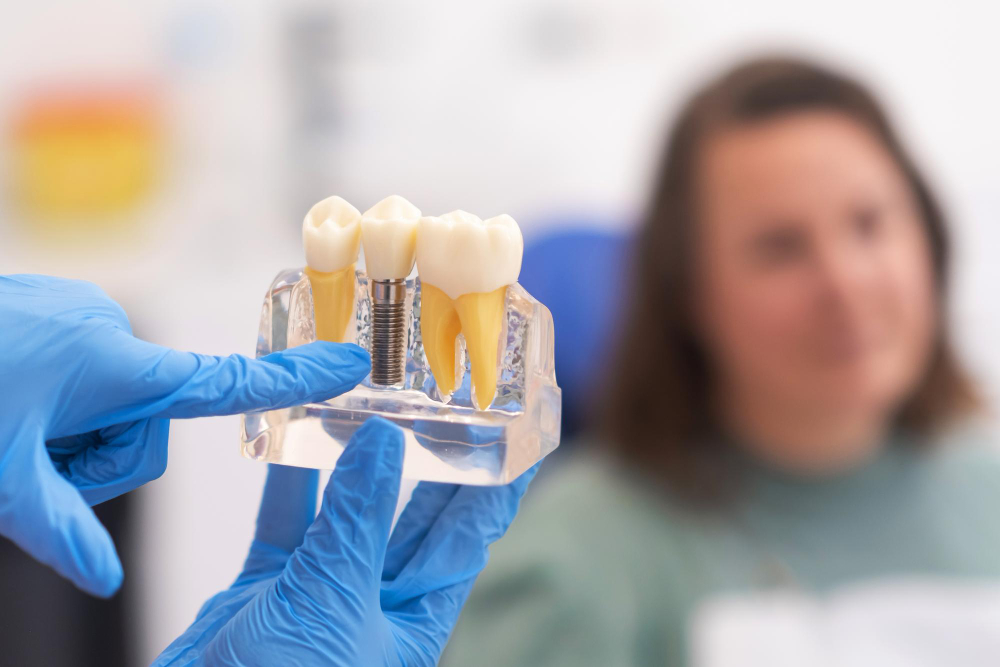
A dental implant is a small metal post that replaces a missing tooth root. Dentists place it into your jawbone. Over time, the bone grows around the implant, holding it in place. After healing, a crown is attached to the implant. This crown looks and works like a real tooth. Dental implants are a popular choice for tooth replacement. In fact, the American Academy of Implant Dentistry reports that over 3 million people in the U.S. have dental implants.
Benefits of Dental Implants
Dental implants offer many advantages over other tooth replacement options. For example, they look and feel like natural teeth. Additionally, they help keep your jawbone healthy. Here are some key benefits:
Who Needs a Dental Implant?
Not everyone needs a dental implant. However, you may be a good candidate if you have one or more missing teeth. People who cannot wear dentures comfortably may also benefit. In addition, you need healthy gums and enough bone to support the implant. Your dentist will check your health and bone structure before recommending dental implants. Smokers or people with certain health conditions may need extra care.
The Dental Implant Procedure (Step-by-Step)
The dental implant process usually takes several months. Yet, each step is important for success. Here is a simple breakdown:
Throughout the process, your dentist will guide you and answer your questions.
Risks and Possible Complications
Dental implants are safe for most people. Still, like any surgery, there are some risks. According to the CDC, problems are rare but can include:
However, most people heal well and enjoy their implants for many years. Your dentist will discuss these risks before starting the procedure.
Aftercare and Recovery Tips
Proper care helps your dental implant last longer. Right after surgery, you may have some swelling or mild pain. But these usually go away in a few days. To help your recovery, follow these tips:
If you notice unusual pain or swelling, contact your dentist right away.
Prevention and Maintenance
Good oral hygiene keeps your dental implant healthy. For example, brush your teeth twice a day and floss daily. Regular dental check-ups are also important. In addition, avoid chewing hard foods like ice or hard candy. These can damage your implant or crown. With proper care, dental implants can last many years, sometimes even a lifetime.
For personalized advice on dental implants, consult Dr Sri Sushma.