Introduction
Many people wonder about the benefits of dental scaling and why regular cleanings are important. Dental scaling is a simple way to keep your teeth and gums healthy. In fact, regular cleanings help prevent many oral health problems. This blog will explain what dental scaling is, how it works, and why it matters for your smile.
What is Dental Scaling?
Dental scaling is a professional teeth cleaning done by a dentist or dental hygienist. During this process, your dental provider removes plaque and tartar from your teeth. Plaque is a sticky film of bacteria. Tartar is hardened plaque that can build up over time. Even with good brushing, some areas are hard to clean at home. Therefore, dental scaling helps reach those spots and keeps your mouth healthy.
Key Benefits of Dental Scaling
Regular dental scaling offers many advantages for your oral health. Here are the main benefits:
How the Procedure Works
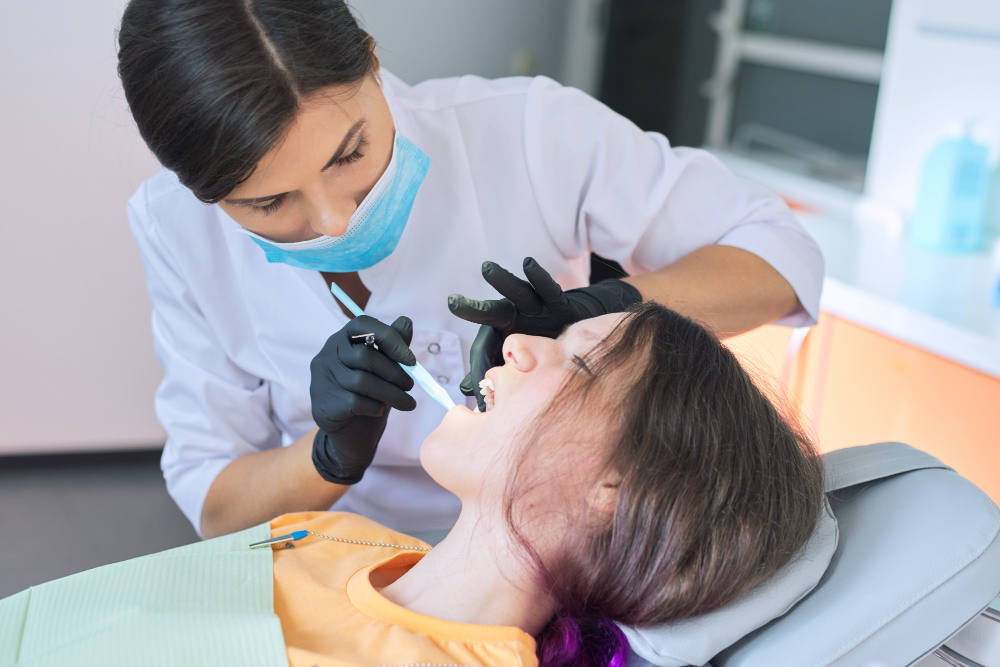
Dental scaling is a simple and safe procedure. First, your dentist examines your mouth. Next, they use special tools to gently remove plaque and tartar from your teeth. Sometimes, they use an ultrasonic device that vibrates to break up hard deposits. After scaling, your teeth may be polished to remove stains and make them smooth. The whole process usually takes less than an hour. Most people feel only mild discomfort, if any.
Who Should Consider Dental Scaling?
Almost everyone can benefit from dental scaling. However, some people need it more often. For example, you should consider dental scaling if you:
Most dentists recommend scaling every six months. However, your dentist may suggest more frequent cleanings if you have certain risk factors. If you live in a city with high pollution or hard water, you may need dental scaling in your area more often.
Aftercare Tips for Dental Scaling
After dental scaling, your mouth may feel a bit sensitive. But with proper care, you can keep your teeth healthy. Here are some simple tips:
Following these oral health tips can help you enjoy the full benefits of dental scaling.
Conclusion
In summary, dental scaling is a key part of keeping your mouth healthy. It removes harmful plaque and tartar, prevents gum disease, and gives you fresher breath. Regular cleanings also help your teeth look and feel their best. Therefore, do not skip your dental visits. Consult Dr. Sri Sushma to learn how dental scaling can benefit your oral health.